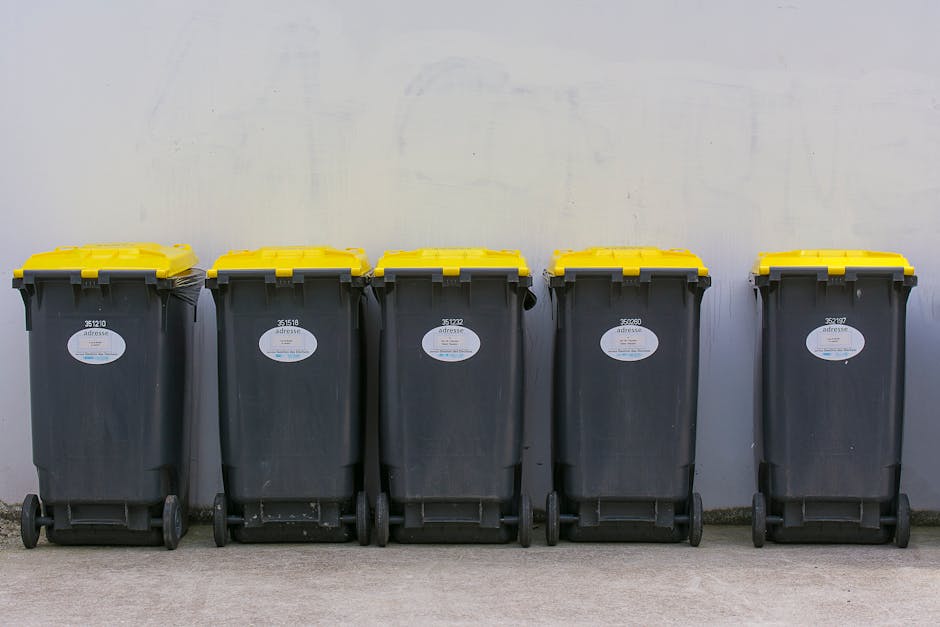
Canning Town rubbish collection Newham local booking guide
If you are trying to sort out a pile of rubbish in Canning Town, you probably want two things: a service that turns up when promised, and a booking process that does not eat your whole afternoon. That is exactly what this Canning Town rubbish collection Newham local booking guide is here to help with. Whether you are clearing a flat, shifting builders' waste, or dealing with the kind of accumulated clutter that sneaks up on everyone, the right approach saves time, stress, and a few headaches. To be fair, most people do not need a lecture. They need a clear path from "messy room" to "job done".
In this guide, you will find how rubbish collection works locally, what to expect when booking, how to choose the right type of clearance, and the practical checks that help you avoid delay or surprise charges. You will also see where specialist services fit in, from general waste removal to more specific options like flat clearance and builders waste clearance. Let's make the whole thing simple.
Quick takeaway: the best rubbish collection booking is the one that matches the waste type, access conditions, and timing you actually have. Get those three right and everything gets easier.
Table of Contents
- Why Canning Town rubbish collection Newham local booking guide Matters
- How Canning Town rubbish collection Newham local booking guide Works
- Key Benefits and Practical Advantages
- Who This Is For and When It Makes Sense
- Step-by-Step Guidance
- Expert Tips for Better Results
- Common Mistakes to Avoid
- Tools, Resources and Recommendations
- Law, Compliance, Standards, or Best Practice
- Options, Methods, or Comparison Table
- Case Study or Real-World Example
- Practical Checklist
- Conclusion
- Frequently Asked Questions
Why Canning Town rubbish collection Newham local booking guide Matters
Canning Town is a busy part of Newham, with a mix of flats, terraces, commercial units, construction activity, and ongoing household turnover. That mix matters. It means rubbish collection is rarely as simple as "put it out and wait". You may have limited parking, stair-only access, shared entrances, controlled loading space, or a narrow window before neighbours, customers, or building managers start asking questions. In real life, waste needs a plan.
This guide matters because a poorly booked collection can create a chain reaction: missed slots, blocked access, complaints from neighbours, and waste sitting around longer than it should. Nobody wants that. On the other hand, a clear booking approach makes removal feel almost easy. You identify the waste, decide the best collection method, and line up the timing with your day. Simple enough, but a lot of people skip the basics.
It also matters from a trust point of view. When booking rubbish collection in Newham, you want to know what happens to your waste afterwards, whether the provider follows sensible safety practices, and how pricing is likely to be structured. If you are comparing options, pages like pricing and quotes and recycling and sustainability are useful starting points, because the cheapest quote is not always the clearest one.
Practical truth: the smoother your booking notes, the smoother the collection. Waste jobs do not usually go wrong because of the rubbish itself. They go wrong because the details were fuzzy.
How Canning Town rubbish collection Newham local booking guide Works
Local rubbish collection usually follows a fairly standard flow, though every provider has its own way of confirming jobs. First, you describe the waste. Then the collection team assesses the size, type, access, and timing. After that, you receive a quote or estimate, agree the booking, and arrange collection. If the job is straightforward, it can often be handled quickly. If it involves bulky items, mixed materials, or awkward access, a bit more detail is needed. Nothing dramatic. Just sensible planning.
In Canning Town, the access question comes up often. Is the waste on a third-floor landing? Is there lift access? Can a vehicle stop nearby? Are there permit or loading restrictions on your street? These details make a real difference because rubbish collection is part logistics and part labour. The more accurately you describe the site, the more likely the booking feels calm rather than chaotic.
For domestic clearances, people often combine several needs in one booking. For example, a tenant moving out might need furniture shifted, old household clutter removed, and a few broken bits taken away too. In that situation, a broader home clearance or house clearance may make more sense than trying to split everything into separate jobs. That is where local knowledge really helps.
Business and trade customers have a slightly different rhythm. Office refits, shop resets, and small refurbishment projects tend to produce a mix of packaging, fixtures, and general rubbish. A specialist office clearance or business waste removal service can be the cleaner choice because it keeps the process organised and less disruptive.
Key Benefits and Practical Advantages
The main benefit of organised rubbish collection is obvious: you get the waste gone. But the real advantages go a bit deeper than that.
- Time savings: one booked collection is usually much faster than trying to manage repeated car trips to a disposal site.
- Less disruption: in a dense area like Canning Town, a short and efficient collection avoids blocking hallways, paths, or shared entrances.
- Better handling of bulky items: old sofas, wardrobes, garden waste, and renovation debris can be awkward and heavy. Proper collection reduces risk.
- More predictable outcomes: when the booking is clear, you know when the job will happen and what sort of space needs to be prepared.
- Cleaner presentation: useful for landlords, sellers, tenants, offices, and anyone trying to get a place back into decent shape.
There is also a mental benefit people underestimate. A cluttered hallway or a pile of bags in the corner can quietly drain energy. Once the rubbish is cleared, the room often feels larger, calmer, and brighter. You notice the light again. Sounds a bit much, maybe, but it is true.
For people who only need one category of item removed, a focused service can be a better fit. If it is mainly sofas, tables, or old beds, then furniture clearance or furniture disposal can keep the job efficient. If the issue is the garage has become a storage black hole, then garage clearance is the more practical route.
Who This Is For and When It Makes Sense
This kind of local booking guide is useful for a lot of people, not just homeowners with a full garden tip-up in the hallway. In fact, some of the most common situations are pretty ordinary.
- Tenants moving out: when you need to leave a flat empty and tidy, but the leftover stuff is not worth hauling yourself.
- Landlords and letting agents: after a tenant move-out, void period, or quick turnaround between occupiers.
- Homeowners decluttering: when the spare room, loft, or garage has quietly filled with "we'll sort that later" items.
- Builders and trades: when a project leaves behind packaging, broken plasterboard, timber offcuts, or mixed rubble.
- Office managers: during refits, relocations, or equipment changes that leave surplus desks, chairs, and general waste behind.
- Small businesses: especially where back-room storage has become less storage and more... just stuff.
It also makes sense when you need the job handled politely and with minimal fuss. Not every waste problem needs heavy machinery. Sometimes the best solution is a well-organised two-person team, a clear booking slot, and a reasonable plan for access. That is the kind of thing local services tend to do well.
If the job is a full property empty, a dedicated loft clearance or flat clearance may be the more accurate fit. If it is mostly outdoor debris, branch cuttings, soil, or overgrown waste, then garden clearance is usually more appropriate. Matching the service to the mess sounds obvious, but honestly, people skip that step all the time.
Step-by-Step Guidance
If you want the booking to go smoothly, follow a simple process. No fancy system required.
- Identify the waste type. Separate general household rubbish from furniture, builder's waste, garden waste, and anything potentially hazardous.
- Estimate the amount. A few bags is very different from a room full of items. Try to think in terms of bags, bins, boxes, or bulky pieces.
- Check access. Note stairs, narrow hallways, lift access, parking restrictions, and whether the waste is inside or already at the kerb.
- Choose the right service. General waste removal works for mixed jobs, while specialist clearance is better for bulky or single-category waste.
- Request a clear quote. Make sure the quote reflects what is being removed and whether labour, loading, or disposal are included.
- Confirm timing. Morning, lunchtime, evening, or next-day collections all have different practical implications.
- Prepare the waste. Group items together where possible, keep pathways clear, and label anything that should stay.
A useful trick: take a few photos before booking. Not because anyone is being fussy, but because a picture removes ambiguity. It is much easier to judge volume and access from a photo than from a vague "there's quite a bit".
If the job includes renovation debris or a small strip-out, a builders waste clearance booking may be a better fit than general rubbish removal. That distinction matters because mixed construction waste is handled differently in practice, and a bit of upfront clarity avoids awkward surprises on the day.
Expert Tips for Better Results
After enough collections, a few habits stand out. They are not glamorous, but they work.
- Be specific about mixed waste. Mixed loads can be fine, but they need to be described properly. A sofa plus plasterboard plus broken shelves is not the same as two bin bags.
- Keep a clear path. Even ten minutes of clearing doorways can save a lot of loading time.
- Separate anything reusable. Some items are better donated, sold, or stored rather than booked for disposal. That tiny bit of judgement matters.
- Flag heavy items early. Old appliances, waterlogged furniture, and awkward wardrobes take more effort than they look like they will. They always do, somehow.
- Ask how waste is handled. If sustainability matters to you, look at the provider's approach to sorting and recycling. The recycling and sustainability page is a sensible place to start.
- Book with enough margin. If you are moving out the same day or expecting a delivery later, leave breathing room. Jobs tend to expand by ten per cent at the worst possible moment.
One other thing: if you have a building manager, concierge, or neighbour whose access may be affected, give them a heads-up. A small courtesy message can prevent a lot of awkwardness later. It sounds basic. It is basic. But basic works.
Common Mistakes to Avoid
The most common mistakes are usually not dramatic. They are just small oversights that compound.
- Booking the wrong type of service: for example, arranging general rubbish collection when the job is mostly furniture, or choosing furniture clearance for mixed trade debris.
- Underestimating volume: a few extra bags can change the time and vehicle space required.
- Ignoring access restrictions: if a van cannot stop nearby, the crew needs to know before they arrive.
- Forgetting awkward items: loft pieces, broken beds, garden planters, and hidden clutter often get missed in the first description.
- Leaving hazardous materials in the pile: this can complicate the job and may require separate handling.
- Assuming all quotes mean the same thing: one provider may include loading, another may not. Same price on paper, very different outcome in practice.
Another mistake is overthinking it. People sometimes wait until a pile is perfectly sorted before they book. That is not always necessary. If the waste is safe, accessible, and within the service scope, a good booking conversation is often enough to move forward. Progress beats perfect.
Tools, Resources and Recommendations
You do not need a toolbox full of gear to prepare for rubbish collection, but a few simple things help.
- Phone camera: photos of the waste and access route make quoting easier.
- Measuring tape: useful if you are unsure whether a bulky item will fit through doors or down stairs.
- Basic labels or notes: especially helpful if some items must stay behind.
- Bin bags and boxes: for loose light waste that can be grouped together quickly.
- Access notes: parking restrictions, entry codes, lift times, or concierge instructions.
For people comparing the broader service offer, it can help to look at adjacent pages that match the job more closely. A household clear-out might fit home clearance or house clearance; a workspace tidy-up may be best served by office clearance; and a garage full of forgotten items often needs garage clearance. That match between need and service is where good booking starts.
If you want to learn more about the people behind the service before booking, the about us page gives a useful overview. And if you are already at the point where the job description is clear, then contact us is the next sensible step.
Law, Compliance, Standards, or Best Practice
Rubbish collection is not just a practical task; it also sits within a framework of responsible waste handling. Without getting buried in legal language, the basic best practice is straightforward: waste should be handled safely, transferred to an appropriate facility, and managed in line with accepted UK waste duties and local expectations. You do not need to know every technical detail, but you should expect a provider to behave professionally and responsibly.
From a customer point of view, a few checks are sensible. Ask whether the service is insured, whether staff follow safe lifting and loading practices, and whether they have clear terms for what can and cannot be taken. Good providers are usually happy to explain that. It is not being awkward. It is being sensible.
If your job involves business premises, there may be extra expectations around access, fire exits, shared corridors, and working around staff or customers. For that reason, some customers prefer a provider that openly sets out its health and safety policy and insurance and safety approach. That is reassuring, and rightly so.
There is also an ethical side to waste handling. Reuse where possible, recycle where suitable, and avoid treat-everything-the-same thinking. Not every item needs the same end point. The more carefully waste is sorted, the better the overall result tends to be. That is the general norm, and it is a good one.
Options, Methods, or Comparison Table
Choosing the right rubbish collection method depends on what you are clearing, how much there is, and how much help you want on the day. Here is a simple comparison.
| Option | Best for | Pros | Watch out for |
|---|---|---|---|
| General rubbish collection | Mixed household waste, bags, small bulky items | Flexible, simple to book, good for everyday jobs | May not suit specialist waste or very large volumes |
| Furniture clearance | Sofas, beds, tables, wardrobes | Efficient for bulky items, less lifting for you | Measure access carefully; some items are heavier than expected |
| Home or house clearance | Full rooms, move-outs, inherited clutter | Good for larger, more complex jobs | Requires clearer planning and more detail at booking |
| Builders waste clearance | DIY and renovation debris | Useful for trade and refurb projects | Need to be precise about material types and volume |
| Office clearance | Desks, chairs, filing, general office surplus | Reduces disruption and keeps business moving | May need out-of-hours timing for busy workplaces |
If you are unsure which option fits, start broad and then narrow it down. A lot of people think they need a special service when a standard rubbish collection will do just fine, and the reverse happens too. The best choice is the one that fits the waste, not the one with the flashiest label.
Case Study or Real-World Example
Picture a typical Canning Town flat move-out. The tenant has already taken most belongings, but there is still a broken wardrobe, a couple of chairs, old kitchen bits, several bags of mixed rubbish, and some cardboard from recent deliveries. There is a narrow stairwell, parking outside is tight, and the checkout day is approaching fast. Fairly normal, really.
Instead of booking everything as "general rubbish" and hoping for the best, the tenant takes a few photos, notes that the waste is on the second floor, and checks whether anything is too large for the stairwell. The booking ends up being framed as a flat clearance with a small furniture element included. That clarity helps the provider arrive with the right expectations, enough labour, and a smoother plan for removal.
The result? Less waiting around, no need to renegotiate mid-job, and a cleaner handover to the landlord. The flat feels different once the last awkward item is gone. Quieter, somehow.
That is the real advantage of a local booking guide. It does not just tell you what rubbish collection is. It helps you book the right thing the first time.
Practical Checklist
Use this checklist before you book.
- Have I identified the waste type clearly?
- Do I know whether it is general rubbish, furniture, builders waste, garden waste, or a mix?
- Have I estimated how much there is?
- Is the waste inside, outside, upstairs, or in a locked area?
- Are there stairs, narrow hallways, lifts, or parking issues?
- Have I taken photos if the job is not straightforward?
- Have I separated anything I want to keep?
- Do I need a specialist clearance rather than a general collection?
- Have I checked the booking time against my schedule?
- Do I understand the quote and what it includes?
And one small but useful extra: if you have anything that is fragile, valuable, or not to be touched, say so plainly. It saves everyone from guesswork. Weird how often that little step gets forgotten.
Conclusion
A good Canning Town rubbish collection booking is not about making the process complicated. It is about removing friction. When you know what you are clearing, how much there is, and what kind of access the team will have, the whole thing becomes much easier to manage. That is the heart of this Canning Town rubbish collection Newham local booking guide: practical clarity, local awareness, and a little bit of forethought.
Use the right service, share the right details, and keep the booking simple. Whether you are dealing with a single bulky item, a full flat, a garage full of old bits, or a trade clean-up after a busy week, a careful booking saves time and prevents the usual last-minute scramble. Truth be told, that calm feeling after the waste is gone is worth quite a lot.
Get a free quote today and see how much you can save.
And once the rubbish is finally out of the way, you get your space back. That is the part people remember.
Frequently Asked Questions
What is the best way to book rubbish collection in Canning Town?
The best way is to describe the waste clearly, include photos if possible, and explain access details such as stairs, parking, or lift use. That makes the quote and the collection much more accurate.
How do I know whether I need rubbish collection or a clearance service?
If you have a few bags or mixed household waste, rubbish collection may be enough. If you have bulky items, multiple rooms, or a full property to clear, a clearance service is usually the better fit.
Can I book a same-day collection in Newham?
Sometimes, yes, depending on availability and the type of waste. The more flexible you are with timing, the easier same-day or next-day booking becomes.
What should I tell the provider before booking?
Tell them what the waste is, how much there is, where it is located, and whether there are any access issues. If anything is unusually heavy or awkward, say that too.
Is furniture included in rubbish collection?
It can be, but large or bulky items are often better handled through furniture clearance or furniture disposal so the booking reflects the actual job more accurately.
What if my waste includes builders debris?
Builders debris is usually best booked as builders waste clearance. That helps the provider prepare for the right type of material and volume.
Do I need to sort my rubbish before collection?
Not always, but it helps. Keeping reusable items separate and grouping similar waste together can make the job quicker and reduce confusion on site.
How do access issues affect the booking?
Access issues affect labour, timing, and sometimes vehicle choice. If the team cannot park close by or has to carry items down several flights of stairs, that should be made clear at the start.
Can I book rubbish collection for a flat in Canning Town?
Yes. Flat clearance is a common type of booking, especially in areas with shared entrances, limited parking, or move-out deadlines.
What happens to the waste after collection?
Responsible providers will sort, transfer, and dispose of waste through appropriate channels, with recycling where suitable. If sustainability matters to you, ask how they handle it before booking.
Is there a difference between home clearance and house clearance?
In practice, they overlap quite a lot, but "house clearance" often suggests a fuller or more complete property clearance. The right term depends on the size and scope of the job.
How can I avoid surprise charges?
Give a detailed description, share photos, mention access problems, and ask what is included in the quote. Clear information at the start is the best protection against surprise costs later on.
Where can I find more information about the service?
You can review pricing and quotes, check the company's about us page, or use contact us when you are ready to discuss the job.
What if I need a full property clear-out rather than a basic collection?
For that, a broader service such as house clearance or home clearance is usually more suitable, because it is designed for larger and more complex jobs.